Information
Landmark: Matmata ViewpointCity: Matmata
Country: Tunisia
Continent: Africa
Matmata Viewpoint, Matmata, Tunisia, Africa
Overview
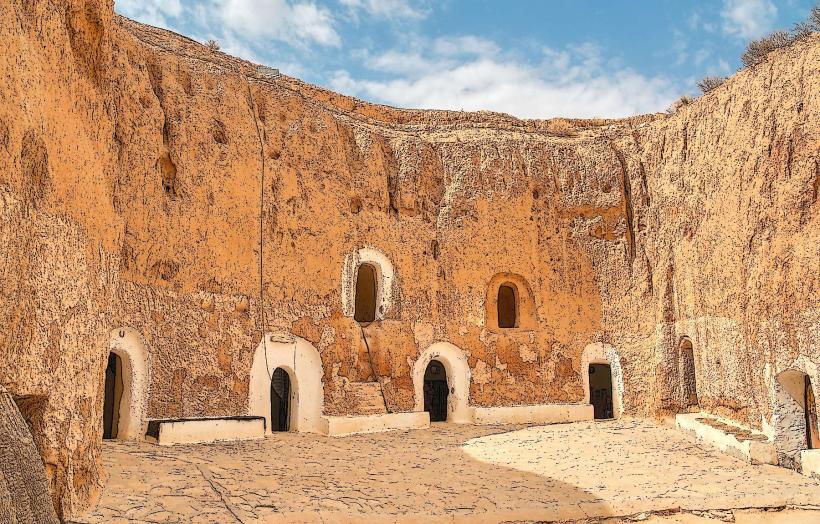
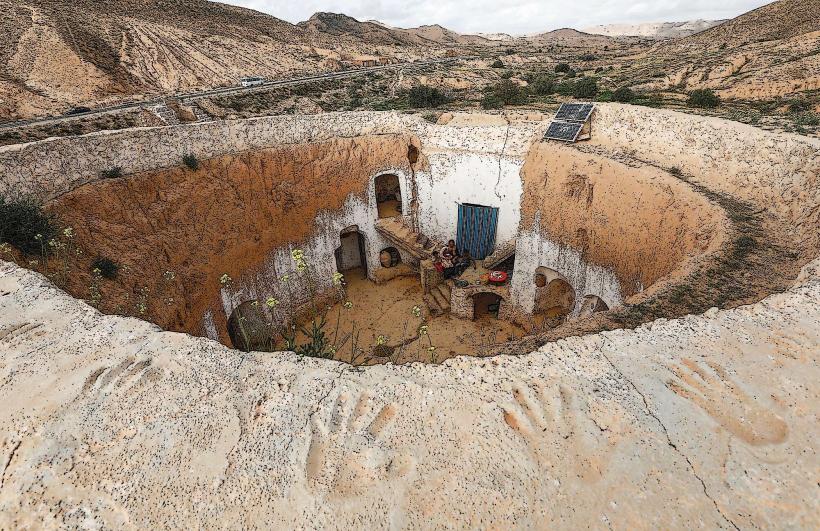
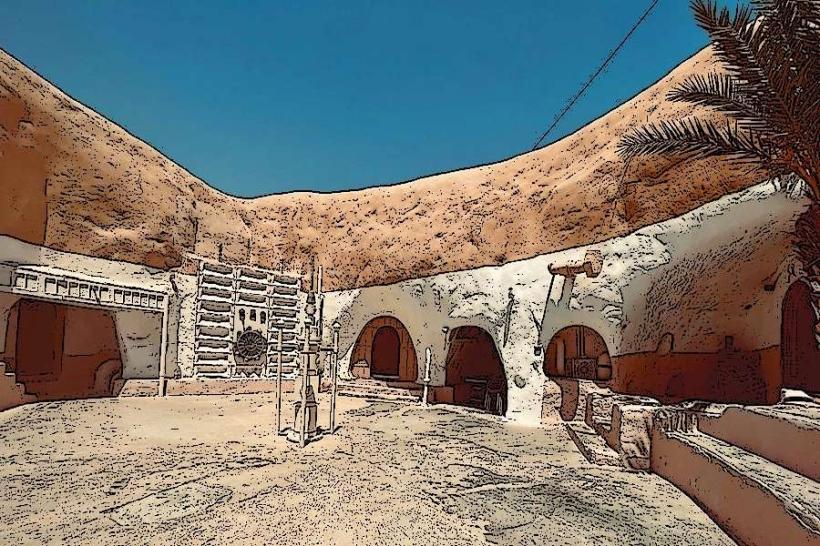
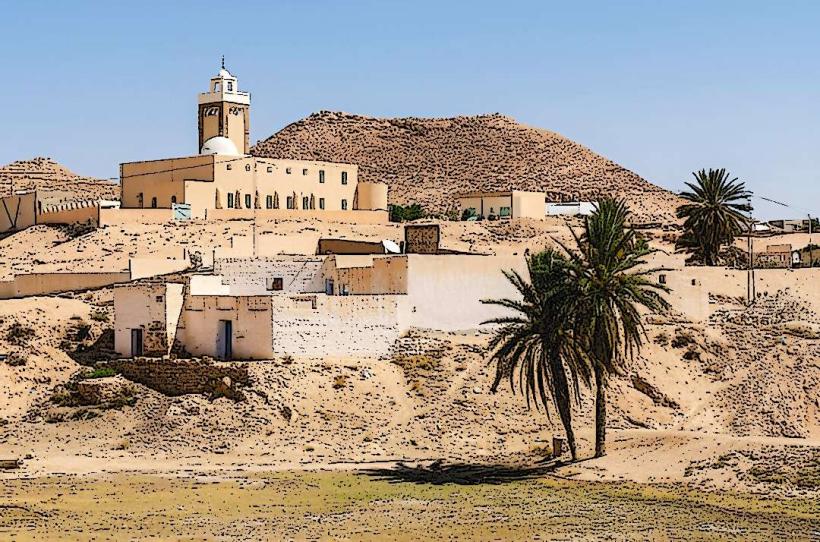
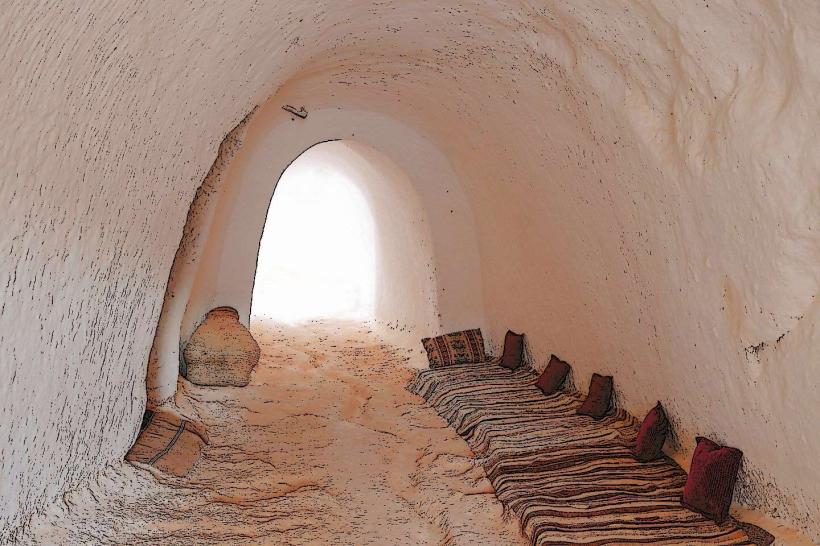
Perched above the desert, the Matmata Viewpoint offers striking scenery and a vivid glimpse into southern Tunisia’s rich culture, also from here, you can take in sweeping views of Matmata’s dry, jagged hills-an area famous for its Troglodyte Homes, Amazigh (Berber) heritage, and the stark beauty of its desert ground.From here, you can watch homes cling to the edge of a wind-scoured plain, a striking meeting of people and raw nature that carries the weight of the area’s history and the cleverness that shaped it, alternatively first.The viewpoint sits high above the village of Matmata, perched between heritage Matmata-where sun-baked troglodyte homes cluster in the earth-and novel Matmata, built after the floods of 1969, on top of that you can get there by a paved road from the town center, and there’s parking close enough to hear the gravel crunch under your shoes, in a sense Many visitors work it into a tour, often starting from towns such as Gabès or Douz, where the air smells faintly of desert dust, on top of that perched high in the rolling hills at the edge of the Matmata Mountains, the viewpoint rises naturally above the troglodyte homes, offering a clear sweep of the land all the way to the horizon.Step two’s all about mixing short bursts with longer, flowing sentences-like pairing a quick note with a line that lingers, consequently from Viewpoint A, you’ll spot exactly what lies ahead-a rust-red roof peeking through a cluster of green trees.From the lookout, what catches your eye first is the neat pattern of traditional pit homes, their low earthen roofs blending into the dusty ground, then from above, you spot wide, round hollows in the ground-courtyards where each home’s life spills into the open air.Carved into the sloping rock, entrances, tunnels, and narrow stairs wind down toward the pits, their steps cool and gritty underfoot, to boot many of these homes link together, creating compound-like clusters where doors open onto shared courtyards, perhaps To be honest, From above, you can witness just how large and deep these homes are, and how smartly they’re positioned to catch the sun, shelter from the wind, and follow the lay of the land-like stone steps tucked into a hillside, equally important b.Beyond the village, the lookout reveals a sweeping desert plateau, where ochre, red, and yellow hills roll away like waves under the sun, subsequently the land’s mostly bare, dotted with tough shrubs, a few gnarled trees, and the occasional palm grove swaying in the dry wind, perhaps Now and then you spot the faint outline of a wadi bed, a dry, cracked channel that roars with rushing water when the rare desert rain arrives, therefore rocky outcrops rise in the distance, desert ridges shimmering now and then in a wavering heat haze.Part of what makes the vista unforgettable is the striking clash between human adaptation and the wild, untouched land-like seeing a weathered cabin crouched at the edge of a vast, silent forest, along with c.From here, you can catch sight of the slender minarets rising from modest neighborhood mosques, their pale stone glowing in the afternoon sun, subsequently modern Matmata now stands dotted with fresh cement buildings, their pale walls glaring under the desert sun.Satellite dishes cling to rooftops above hand-built terraces, a striking mix of aged Tunisia’s stonework and modern steel, then number three.As you can see, The best time to notice it is at sunrise, when the low sun throws long, cool shadows into the troglodyte pits, bringing their depth and rough edges into sharp relief, what’s more in the golden hour before sunset, earth tones deepen, and the mountains behind blaze with rich reds and warm amber light.When night falls and the sky’s crystal clear, the stars shine unhindered by city glow, while the desert’s hush wraps you in a quiet that feels both eternal and sacred, and number four.Truthfully, The Matmata Viewpoint isn’t only a site to take in the sweeping desert-it stands as a testament to the resilience and wisdom of the Amazigh people, who’ve thrived here for generations under a sun that scorches the stone, what’s more from up here, you can detect how the land curves and the wind shapes the buildings, sort of Families live close together, their homes gathered around a sunlit courtyard where voices and footsteps mingle, in addition tradition lives on here-these aren’t dusty museum relics, but warm, lived-in homes where the kettle still whistles in the morning.Frankly, For many visitors, it’s more than something to notice-it stirs the heart, like catching the faint scent of rain on warm stone, also it’s a glimpse into a life before electricity and paved roads, a rhythm woven closely with the wind, the soil, and the turning seasons.Five, while bring sturdy walking shoes-you might find yourself stepping over loose stones or uneven ground near the edge.Bring a hat, sunglasses, and some water-the sun can glare hard, even when the air feels cool, and respect: Some spots welcome tourists, but others are private homes, with quiet porches and curtains drawn against the afternoon sun, relatively Respect the residents’ privacy-don’t peer through windows or linger too close, in conjunction with this spot is perfect for capturing wide, sweeping landscapes, but be sure to ask before snapping a portrait or stepping inside someone’s home.A local guide can bring the venue to life, pointing out the curve of an vintage arch, sharing stories of its people, and weaving the history into every step you take, simultaneously number six comes next, marked clearly in bold black ink.Hotel Sidi Driss sits just minutes from here, a cave-like former home where Luke Skywalker’s sandy kitchen scenes were filmed for Star Wars, what’s more tamezret Village sits on a hilltop just 10 km away, its stone houses catching the sun as they overlook the wide, golden sweep of the desert plateau.The Berber Culture Museum is sometimes run right out of locals’ homes, where you can view worn wooden tools, clattering weaving looms, and snapshots of everyday life, along with the Matmata Viewpoint isn’t packed with concrete walkways or souvenir stalls, and that’s exactly what gives it its quiet, striking power.It gives a raw, unfiltered examine-both literal and metaphorical-at how people have shaped a meaningful life from the desert’s hard, sun-baked ground, in addition it’s where rolling hills, ancient stone walls, and vibrant traditions come together, leaving many travelers with their strongest memory of Tunisia.
Author: Tourist Landmarks
Date: 2025-09-27